Climate and ecosystem science Dr. Steve Hoong Chen Teo
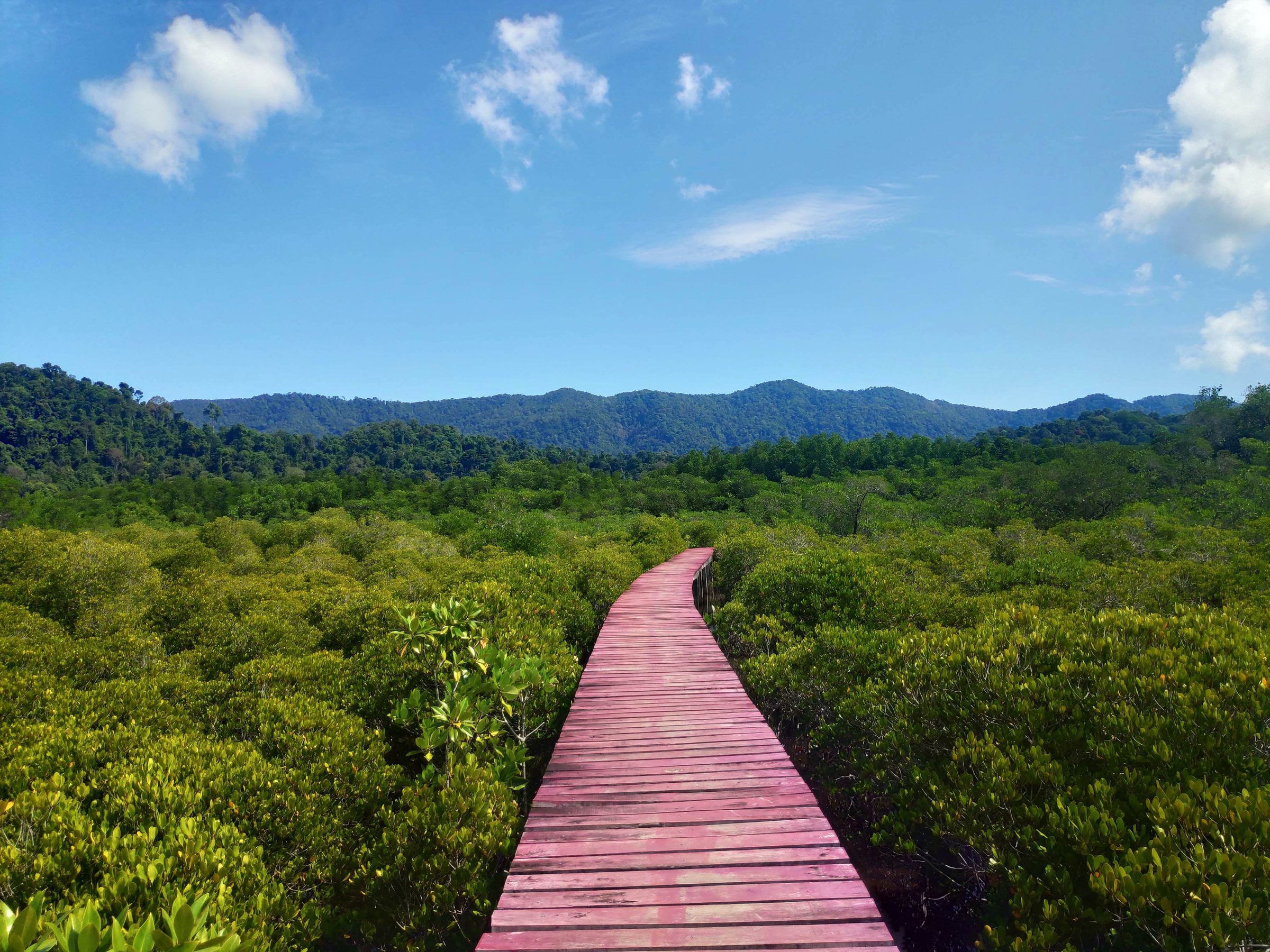
A boardwalk through mangrove forest toward distant mountains, Koh Chang, Thailand
A boardwalk through mangrove forest, Koh Chang, Thailand.
Research

My research spans nature, people, and policy.

I combine large-scale Earth observation with rigorous causal methods, so a claim about a forest, a carbon project, or a policy can be tested against what would have happened otherwise.

01Nature

Ecosystem resilience and tipping points

Forests recover from stress, until they can't.

Ecosystems respond to environmental stress nonlinearly. As warming, drought, and fire compound, a forest's capacity to recover erodes until a critical threshold, beyond which it shifts abruptly, and often irreversibly, to a degraded state. Grounded in dynamical systems theory, my research integrates satellite Earth observation, Earth-system modelling, and forest inventories to estimate recovery rates, detect the critical slowing down that precedes a transition, and map where tipping risk is concentrating across the tropics.
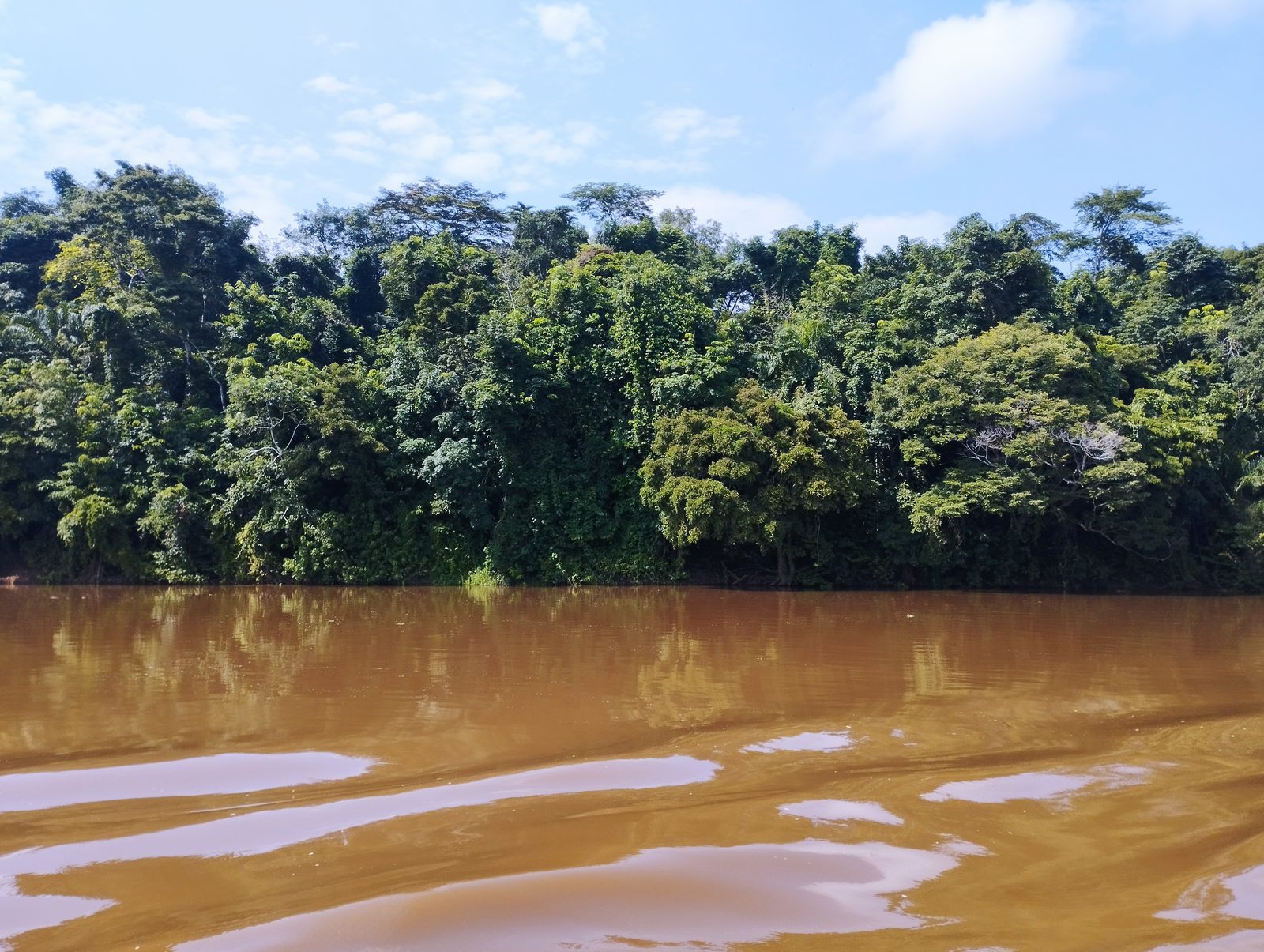
The Congo River and the rainforest along itThe Congo River and the rainforest along it.
02People

Socio-ecological sustainability

Helping people and ecosystems at once, and seeing who pays.

Human and ecological systems are inseparable in landscapes that must store carbon, sustain biodiversity, produce food, secure water, and support livelihoods at once. These functions rarely align, and gains in one can mean losses in another, or accrue to some groups while costs fall on others. My research studies rural and urban landscapes as socio-ecological systems, combining causal inference with remote sensing to locate where nature-based solutions such as agroforestry and urban greening yield genuine co-benefits, and to clarify how those benefits and burdens are distributed.

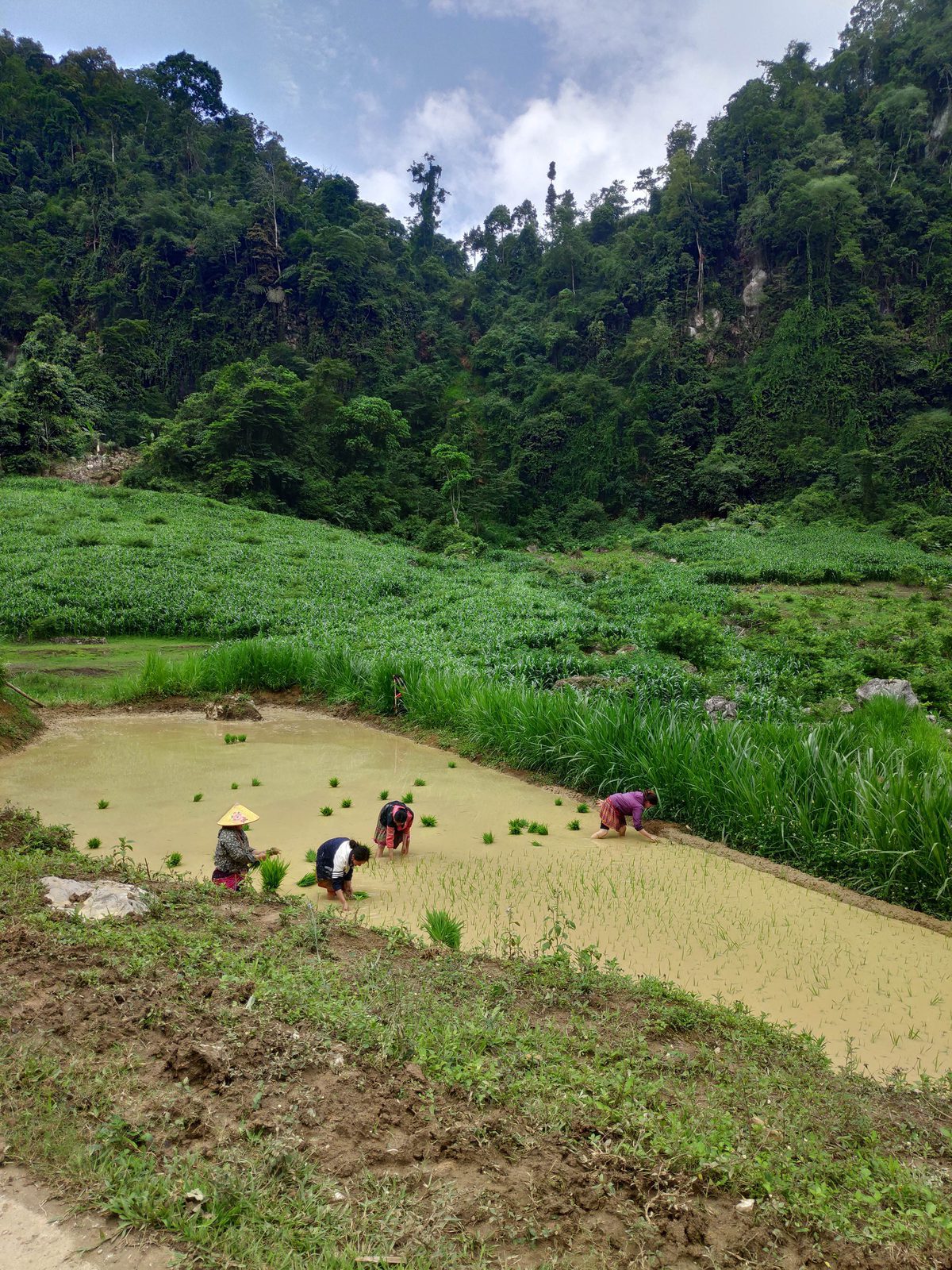
Working in the rice fields in northern VietnamWorking in the rice fields in northern Vietnam.
03Policy

Climate policies and actions

Carbon markets make promises. Can the evidence support them?

Limiting warming requires cutting emissions even as the warming already locked in demands adaptation. Both are increasingly mobilised through policy instruments and market mechanisms: carbon crediting, conservation finance, and an emerging architecture of supply-chain regulation. Their credibility hinges on conditions readily asserted yet hard to substantiate: additionality, leakage, permanence, and defensible baselines. My research subjects these claims to empirical scrutiny, drawing on causal inference, counterfactual evaluation, and remote sensing to establish which instruments deliver genuine and durable outcomes, from forest carbon and offsets to commodity supply chains.

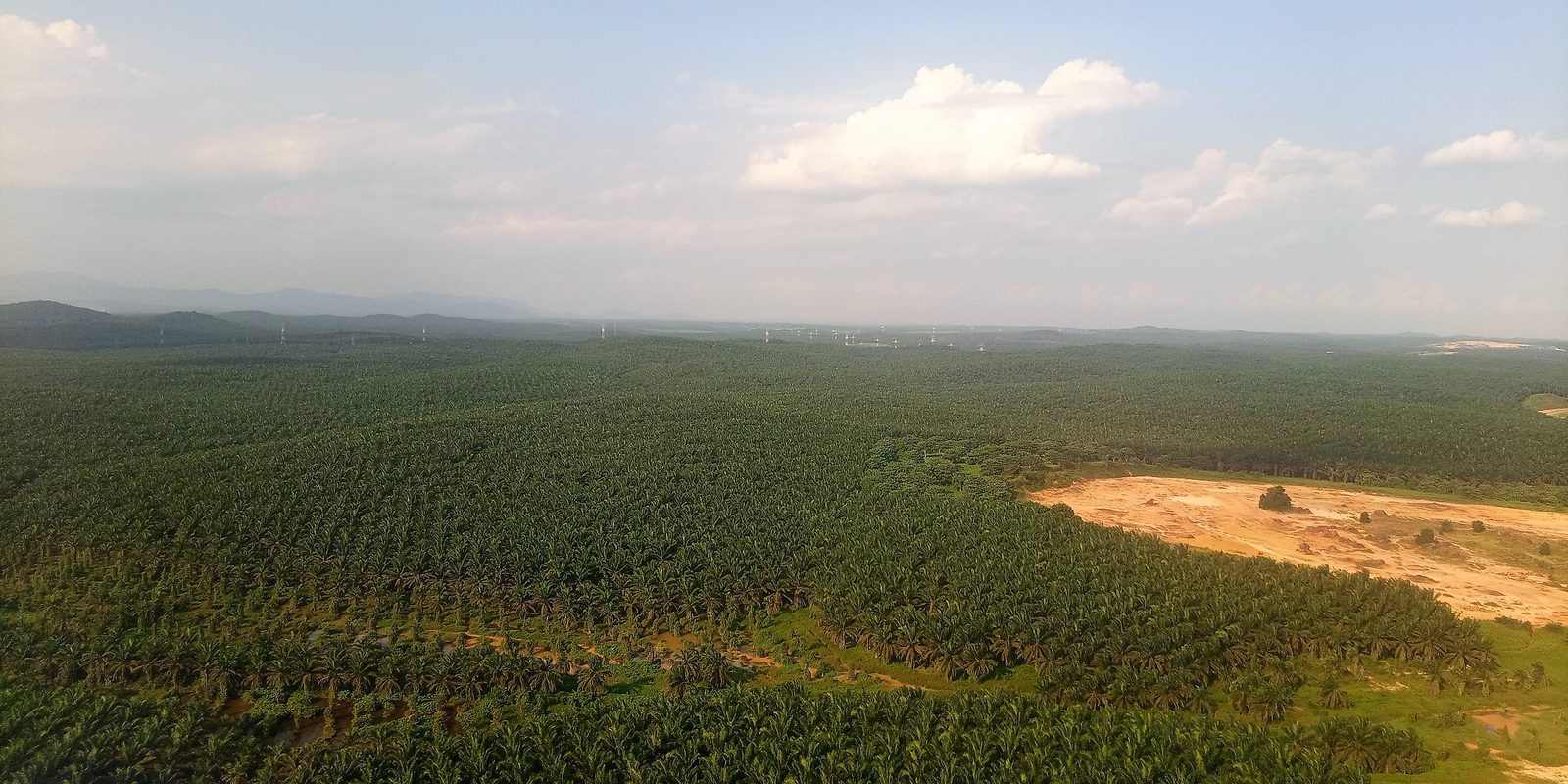
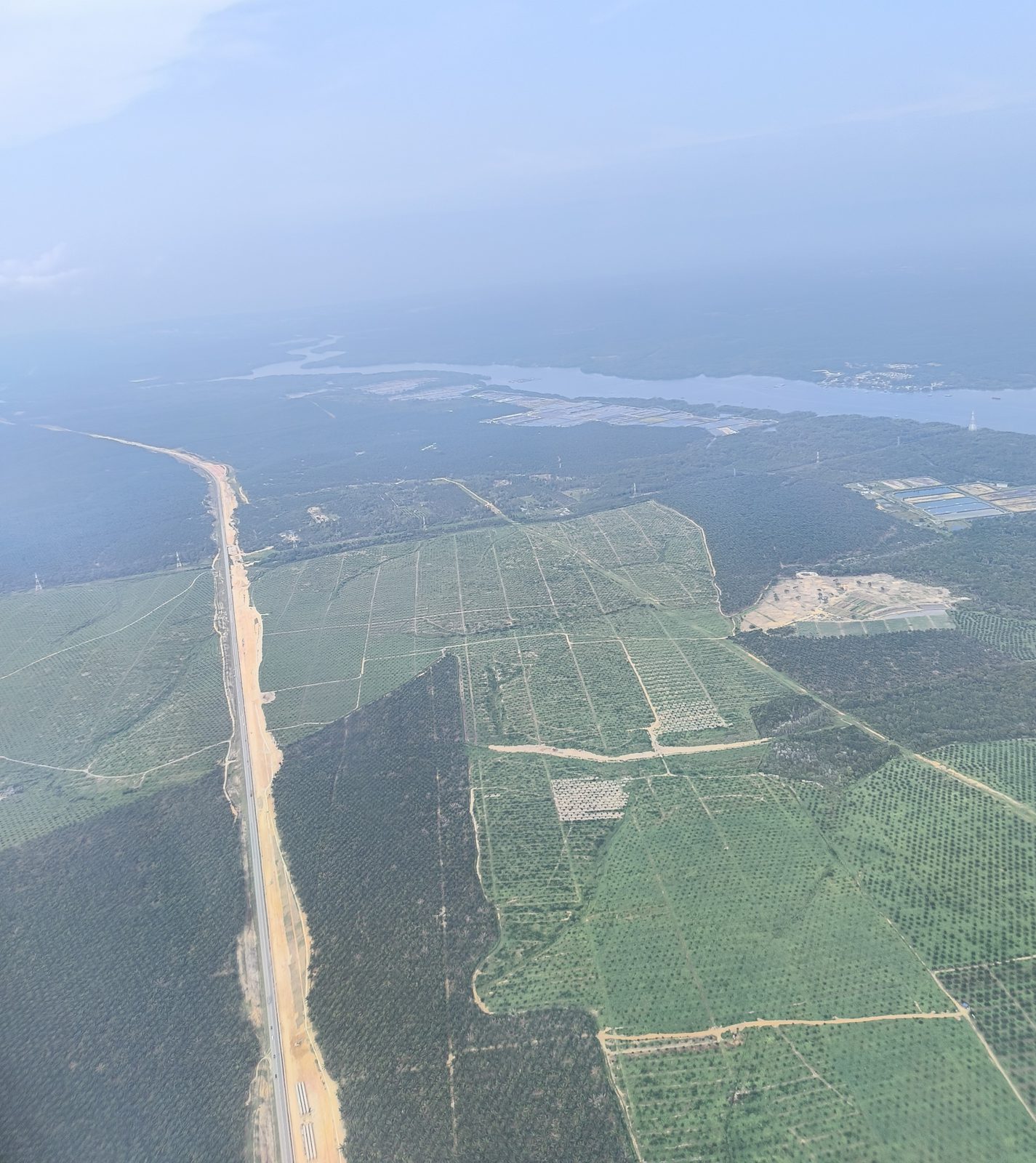
Cleared ground meeting oil palm plantation, Johor, MalaysiaCleared ground meeting oil palm plantation, Johor, Malaysia.
Selected publications
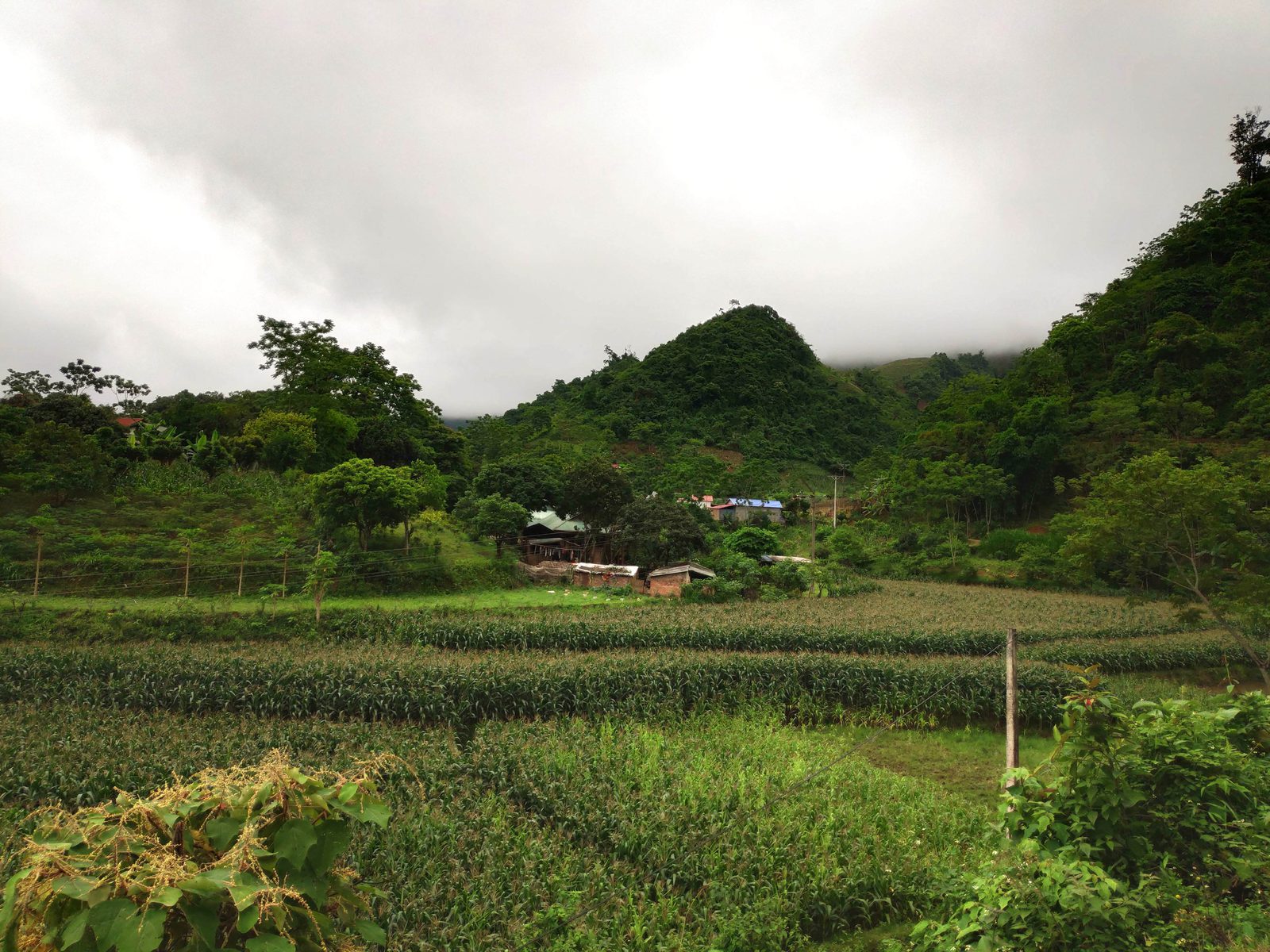
Smallholder cultivation among forested hills, Moc Chau, VietnamSmallholder cultivation among forested hills, Moc Chau, Vietnam.
Nature Sustainability · 2025

Reduction of deforestation by agroforestry in high carbon stock forests of Southeast Asia

Quantifies the contribution of agroforestry in reducing deforestation in Southeast Asia's most carbon-rich forests.

Cited by the Asian Development Bank
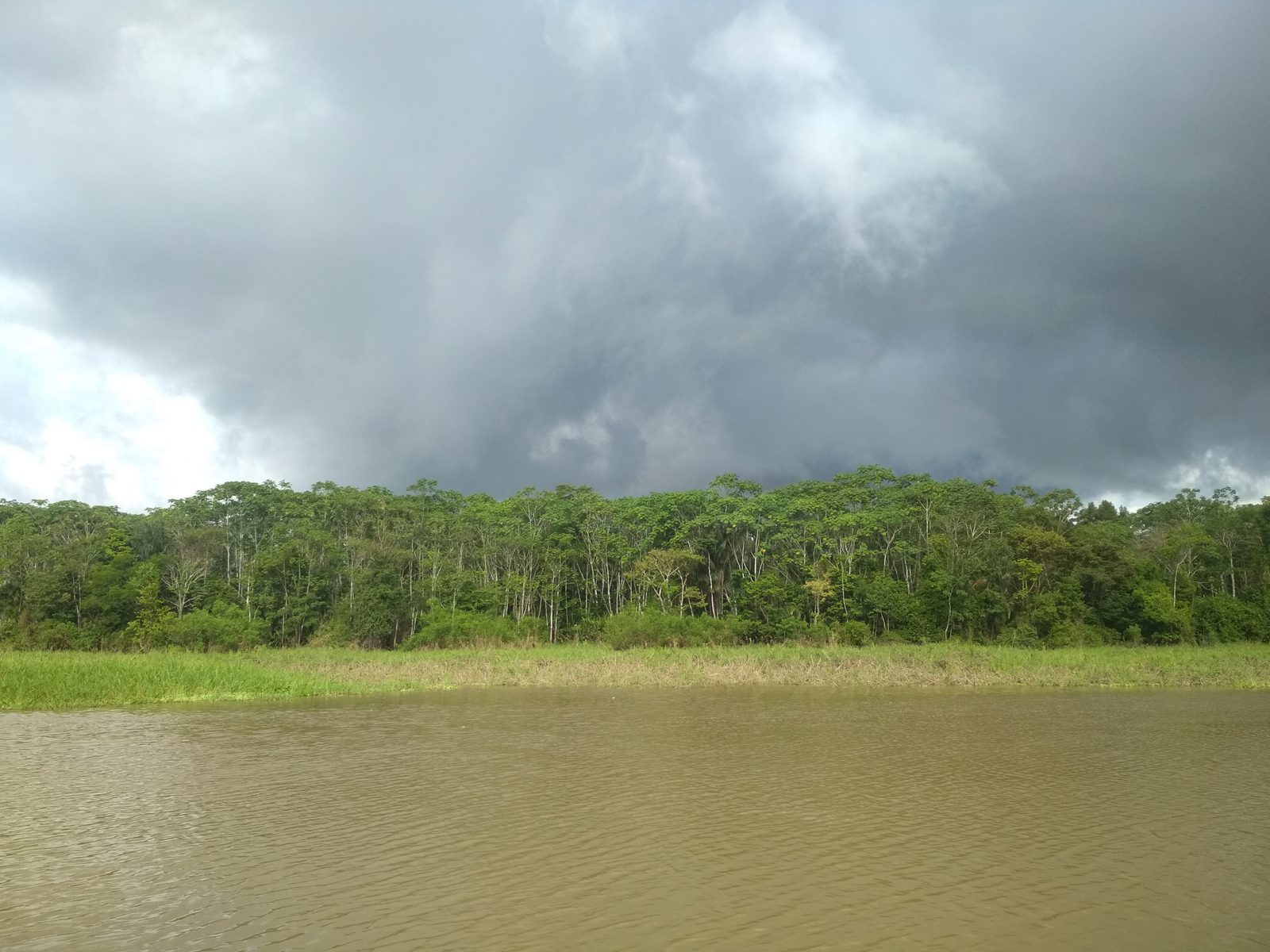
Rainforest along a river near Iquitos, PeruRainforest along a river, near Iquitos, Peru.
PNAS · 2024

Charting the future of High Forest Low Deforestation jurisdictions

A framework for crediting jurisdictions that have kept their forests standing, rather than only those reversing loss.

Used in UNFCCC COP28 modelling; cited in Indigenous-leader advocacy to the ICVCM
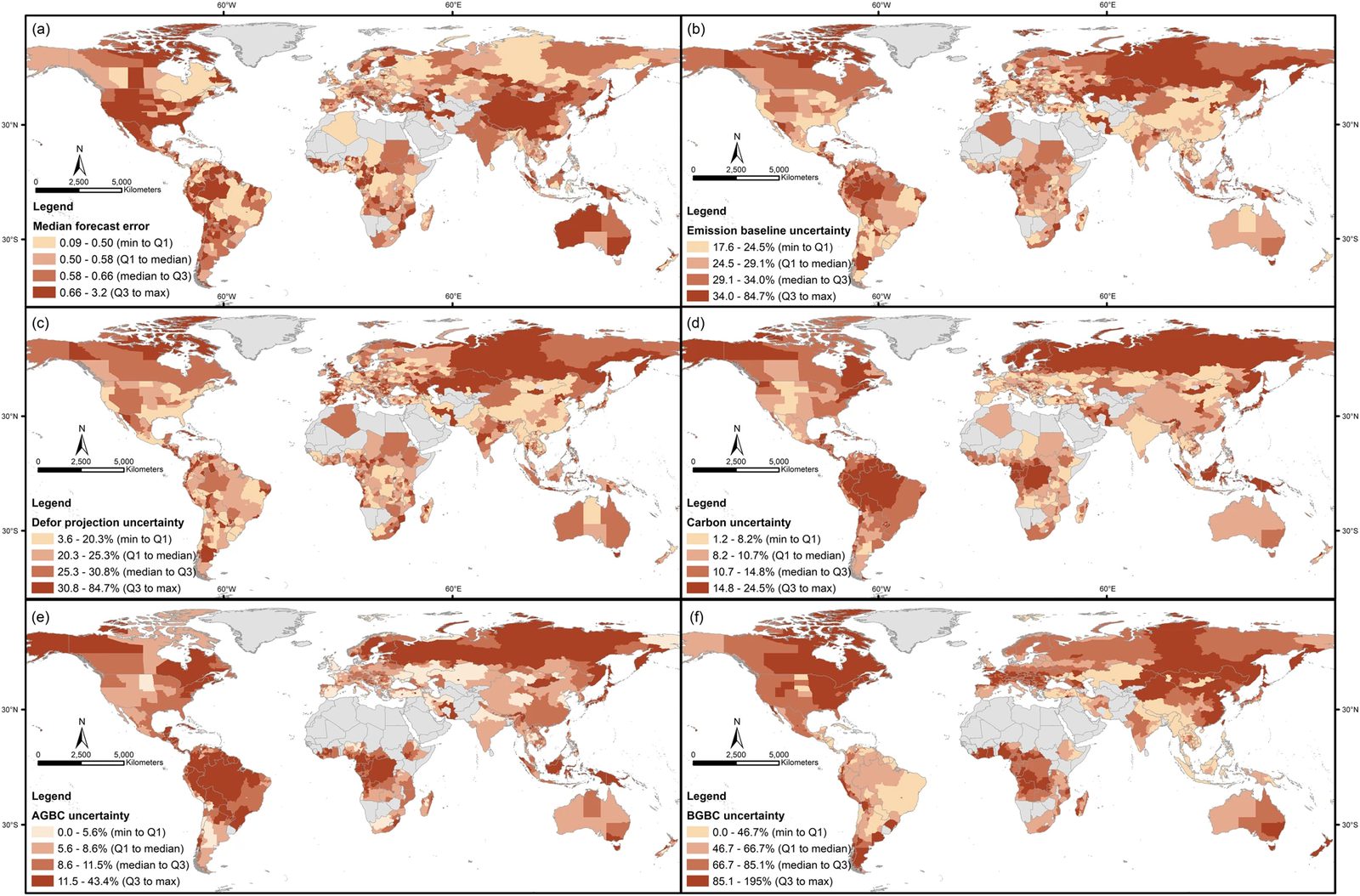
Six world maps from the paper, mapping emission baseline uncertaintyEmission baseline uncertainty, mapped worldwide.
Nature Communications · 2023

Uncertainties in deforestation emission baseline methodologies and implications for carbon markets

Quantifies how baseline choices swing credited carbon volumes, with direct consequences for market integrity.

Cited by the IUCN Red List of Ecosystems
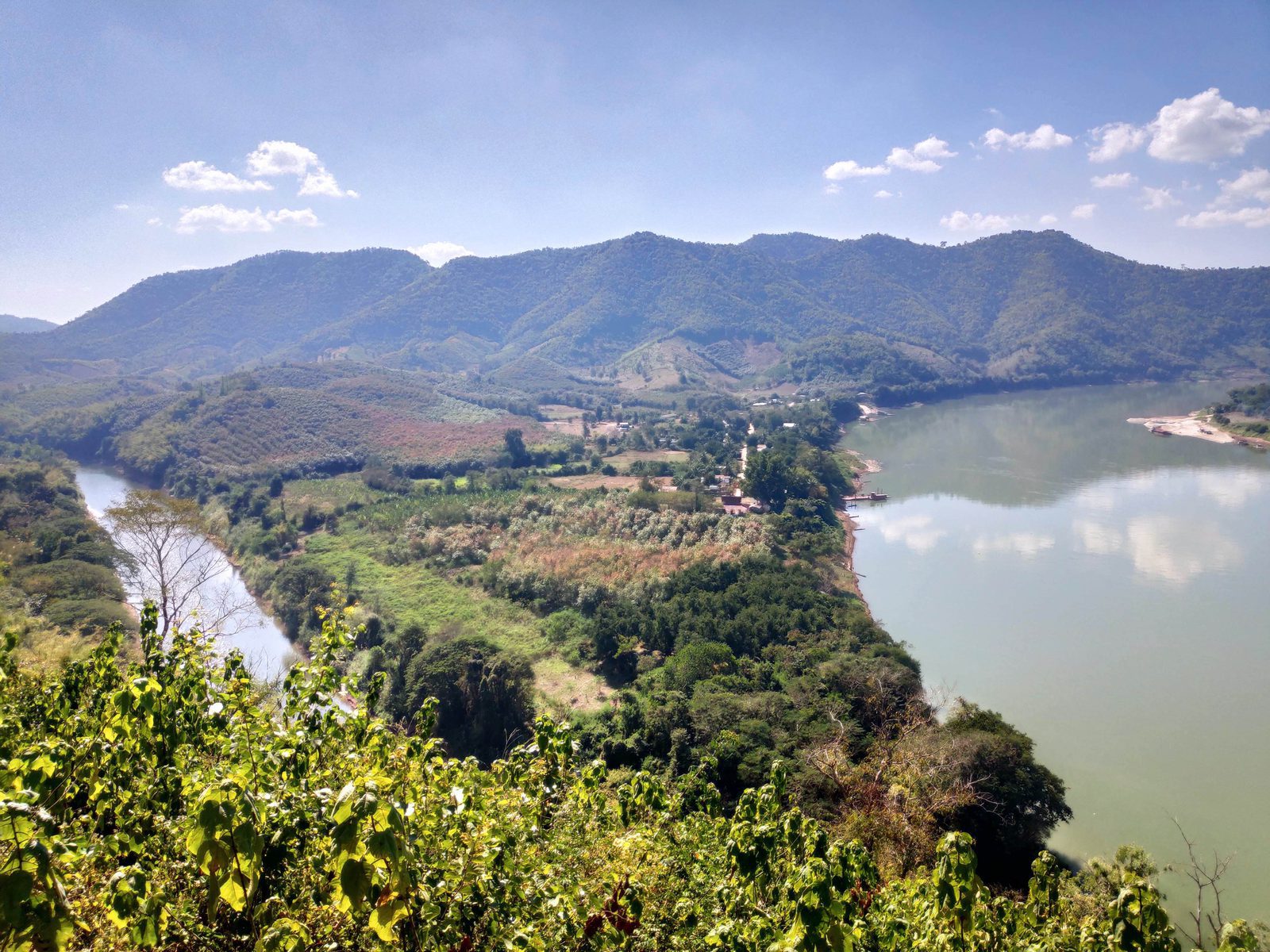
A forested catchment feeding the Mekong River, northeast ThailandA forested catchment feeding the Mekong River, northeast Thailand.
Global Change Biology · 2022

Large-scale reforestation can increase water yield and reduce drought risk for water-insecure regions in the Asia-Pacific

Maps where reforestation eases water stress rather than worsening it across the Asia-Pacific.

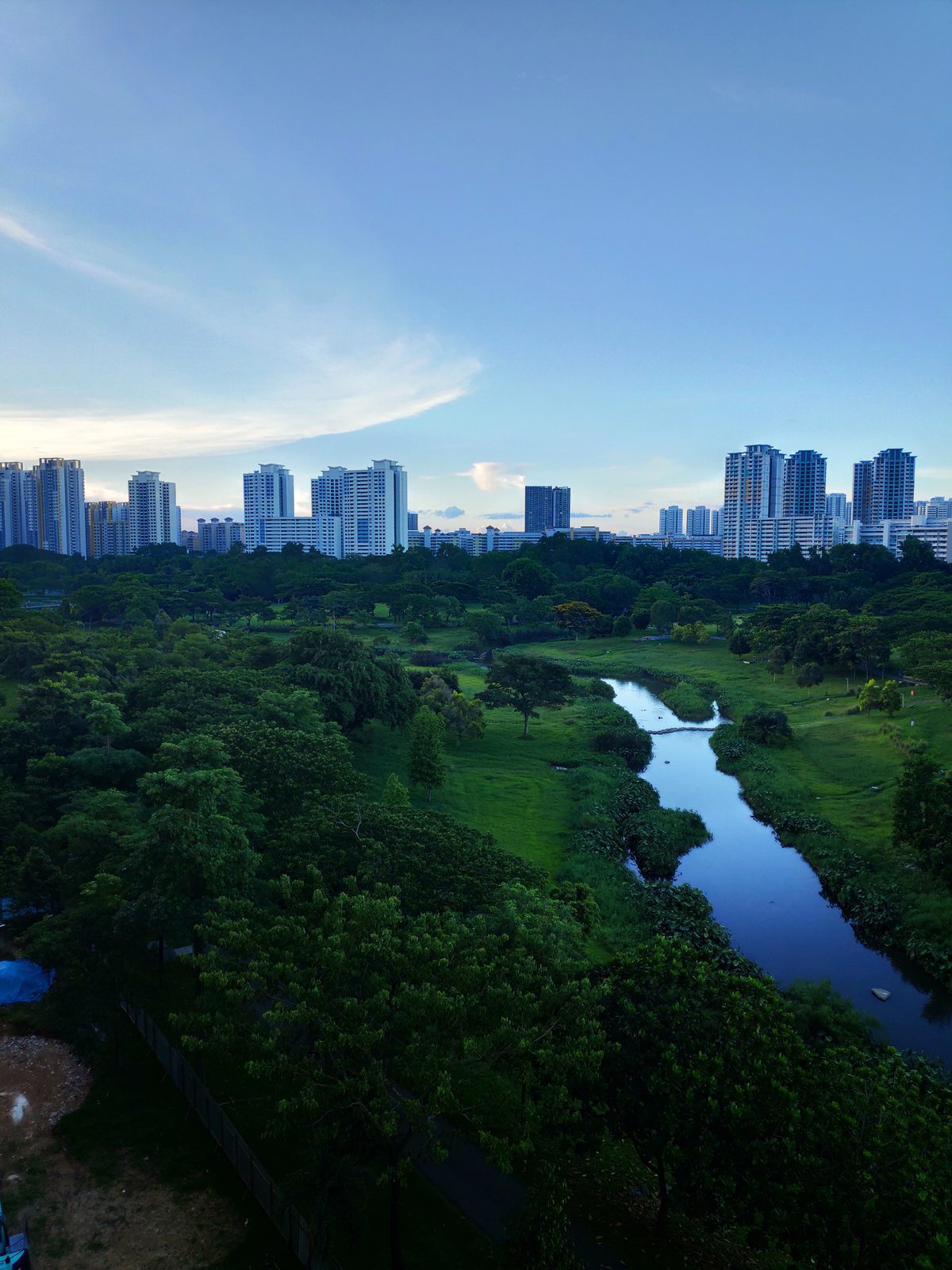
A green corridor and canal with the Singapore skyline behind, Bishan ParkA green corridor and canal with the skyline behind, Bishan Park, Singapore.
Environmental Research Letters · 2021

Global urban reforestation can be an important natural climate solution

Estimates the global climate mitigation potential of reforesting the world's cities.

Cited by the Lancet Pathfinder Commission
A new highway running straight through forest and oil palm, Johor, MalaysiaHighway cutting through forest and oil palm, Johor, Malaysia.
Environments · 2019

Environmental impacts of infrastructure development under the Belt and Road Initiative

An early review of how the Belt and Road Initiative may reshape environmental footprints.

Cited by IPCC AR6 Working Group II, Chapter 17
View all publications →
With gratitude

“I'm grateful to my collaborators for the diverse contexts and perspectives they bring, which have greatly enriched our science.”

95
Collaborators
20
Countries
72%
From the Global South
72%
Papers with women co-authors